About Us
At ACFTRACK, we didn’t reinvent the wheel — we perfected a century of track-mobility engineering. Discover how an innovation born in the early 20th century led to the development of the ACF Full-Track system.
A Century of Track Systems
Driven by a spirit of adventure, a young French engineer named Adolphe Kégresse left France for Saint Petersburg in 1903. His exceptional mechanical skills soon opened the doors to the Imperial Garage, where he became technical director at Tsarskoïe Selo in 1906.
By the early 1910s, Kégresse faced a very practical problem: how could automobiles remain mobile through the deep snow and notorious rasputitsa — the season when Russian roads turned into endless stretches of mud?
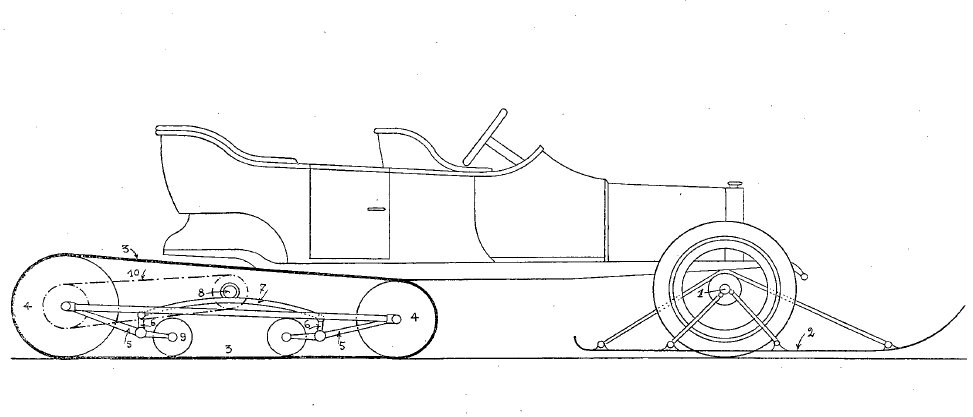
The Imperial fleet included prestigious automobiles from several European manufacturers. Rather than designing an entirely new vehicle, Kégresse looked for a way to adapt the vehicles already available.
His solution was innovative: replacing the rear driving wheels with flexible track units, initially made from animal hides before evolving toward reinforced rubber, while removable skis could be fitted to the front wheels for steering in snow.
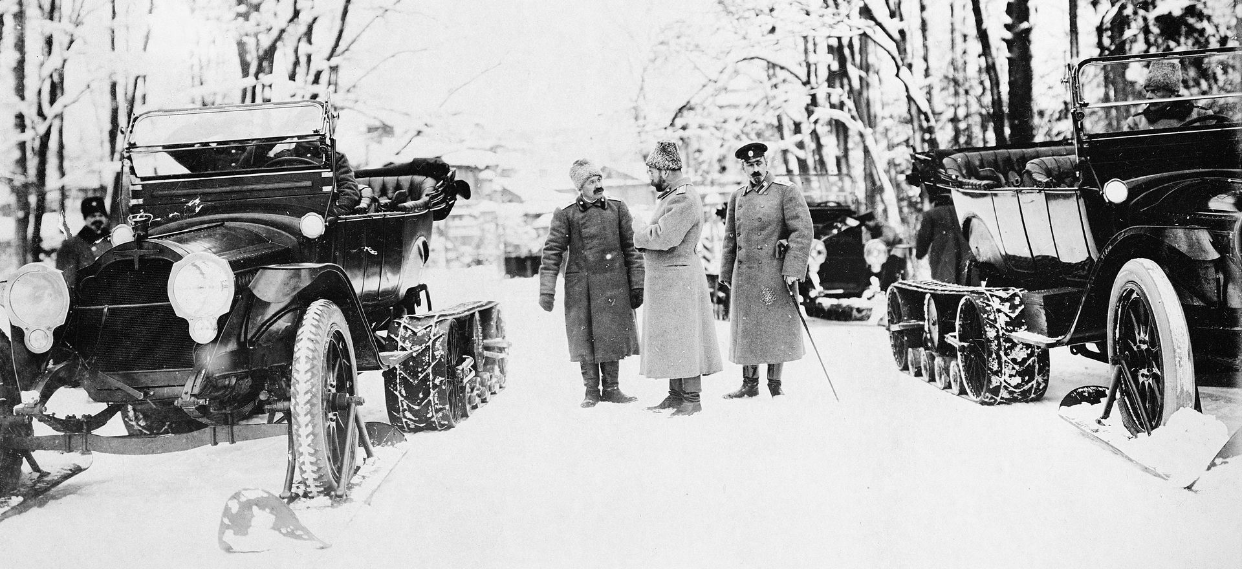
These track units, known as "propulseurs“, were designed to be removable and adaptable. A vehicle could therefore be equipped for difficult terrain and later returned to its original wheel configuration.
The system was tested on several prestigious automobiles, including Mercedes and the Imperial Rolls-Royce Silver Ghost.
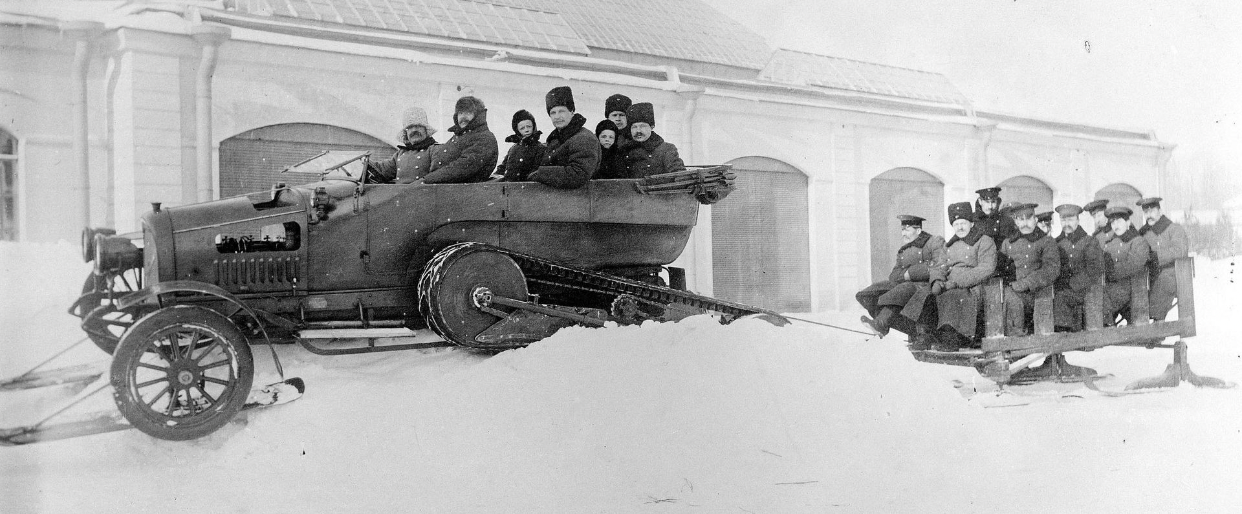
The principle was remarkably simple: adapt the propulsion system to the terrain, rather than redesigning the vehicle itself.
Then, the October Revolution of 1917 changed everything. Kégresse was forced to leave Russia and return to France. His Russian adventure was over.
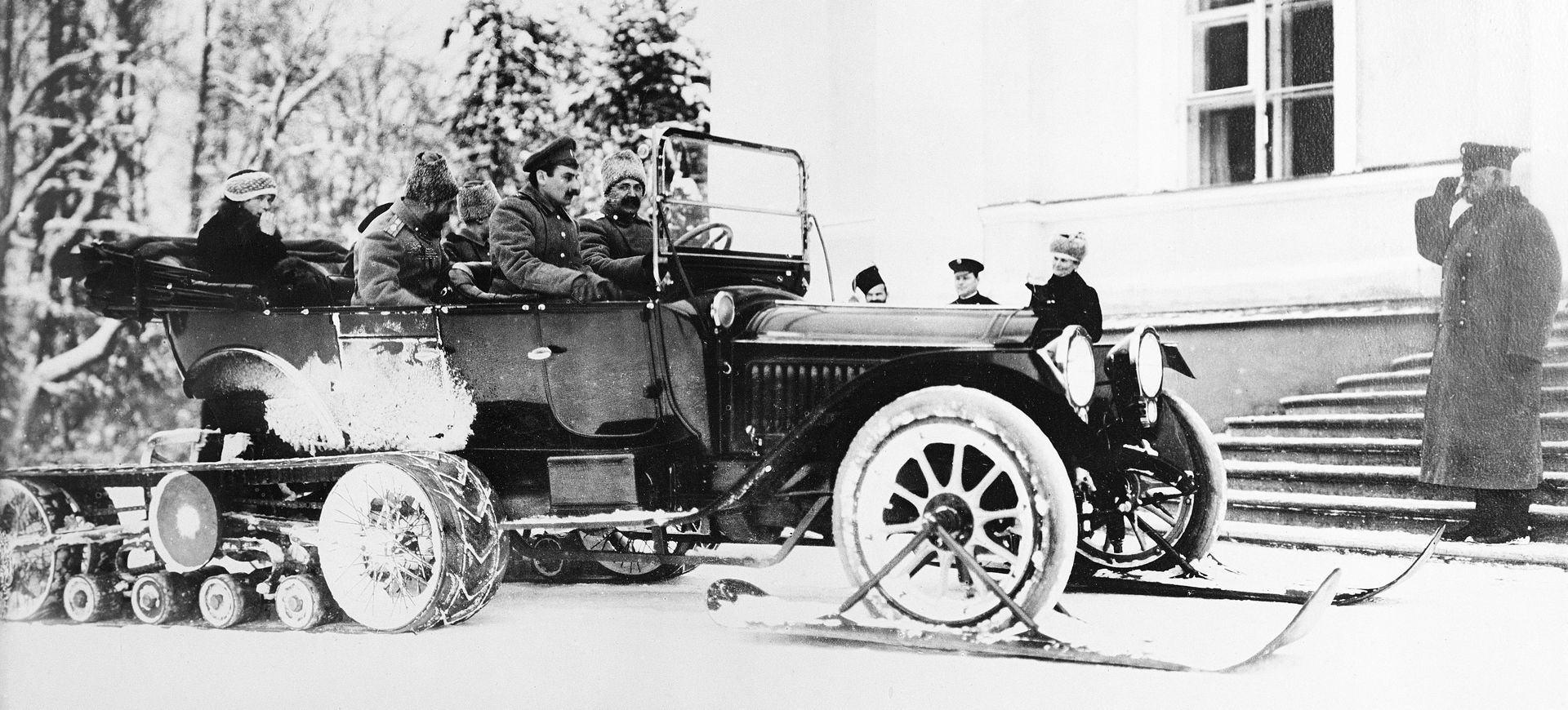
But the story of track conversion system was only beginning…
Back in France, Kégresse had lost much of what he had built in Russia — but he had retained his experience, his patents, and his vision.
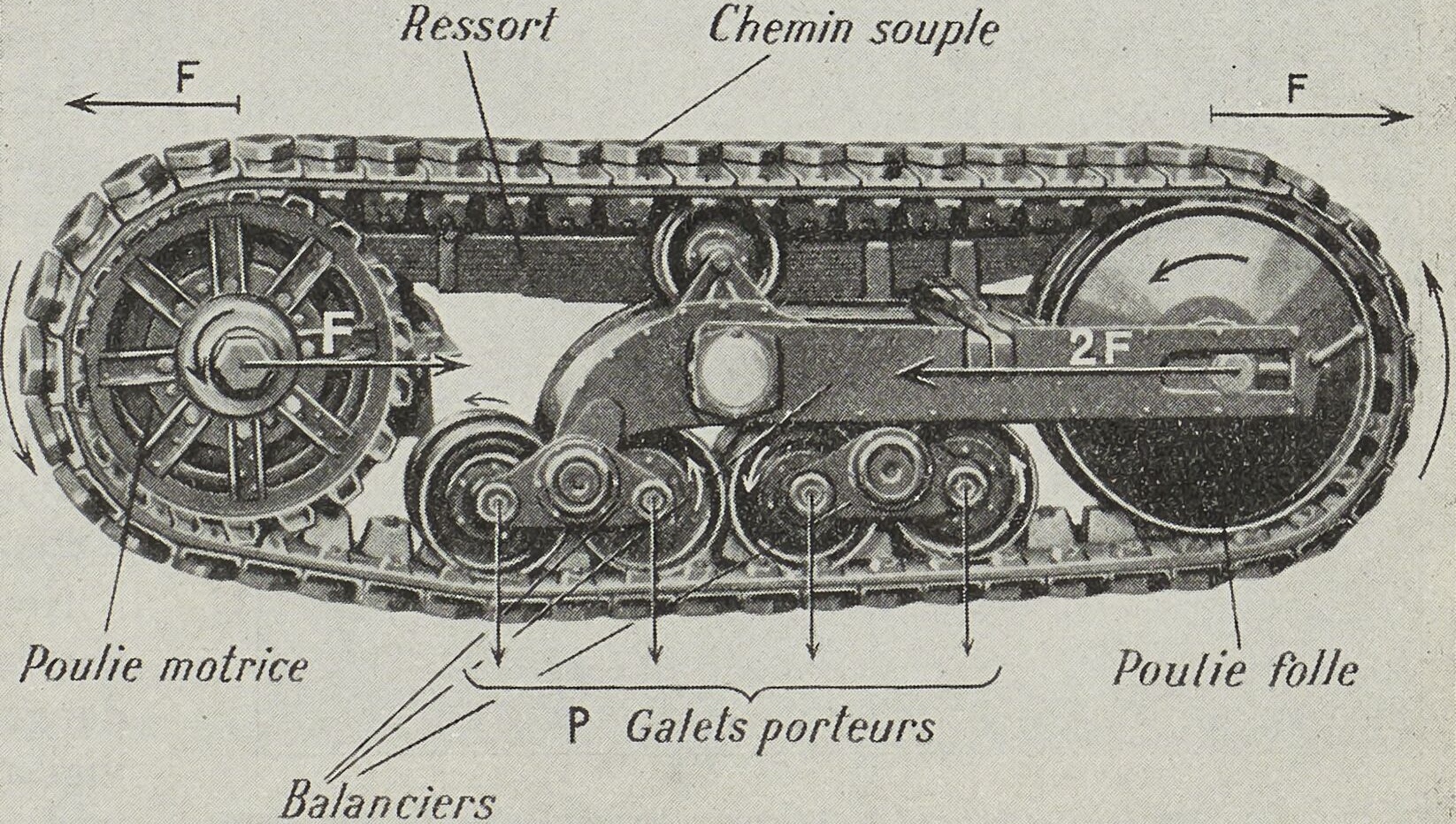
Working with engineer and manufacturer Jacques Hinstin, he presented his patents to André Citroën in 1920. Citroën immediately recognized the potential of the system, and a tripartite agreement established the Citroën-Kégresse-Hinstin track department.
The principle remained fundamentally unchanged: take an existing automobile and adapt its propulsion system so that it could travel where conventional wheels could not.
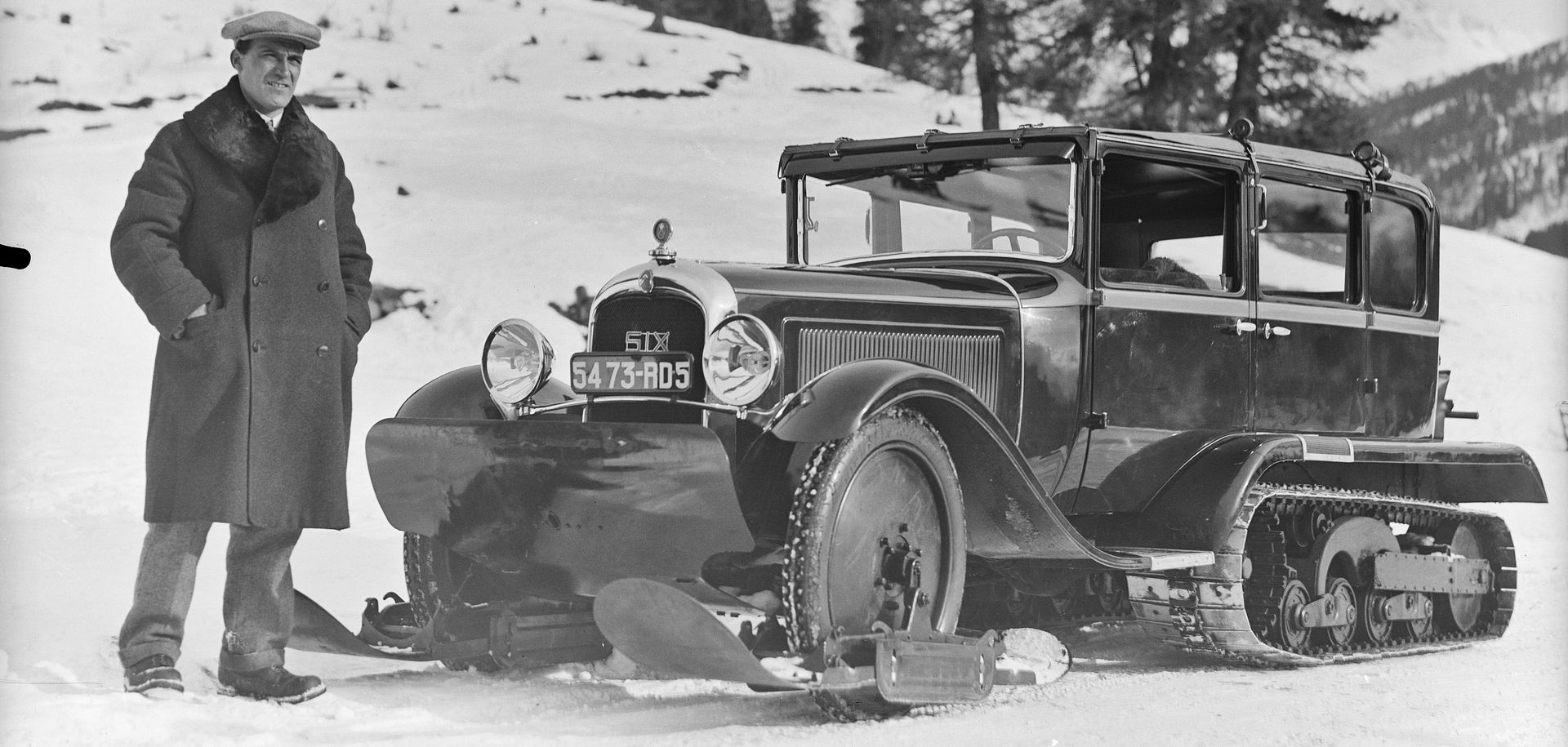
Citroën transformed the concept into an industrial product. Over the following years, more than twenty different Citroën-Kégresse models were developed for civilian, agricultural, commercial, exploration, and military applications.
But the technology had to prove itself beyond the workshop.
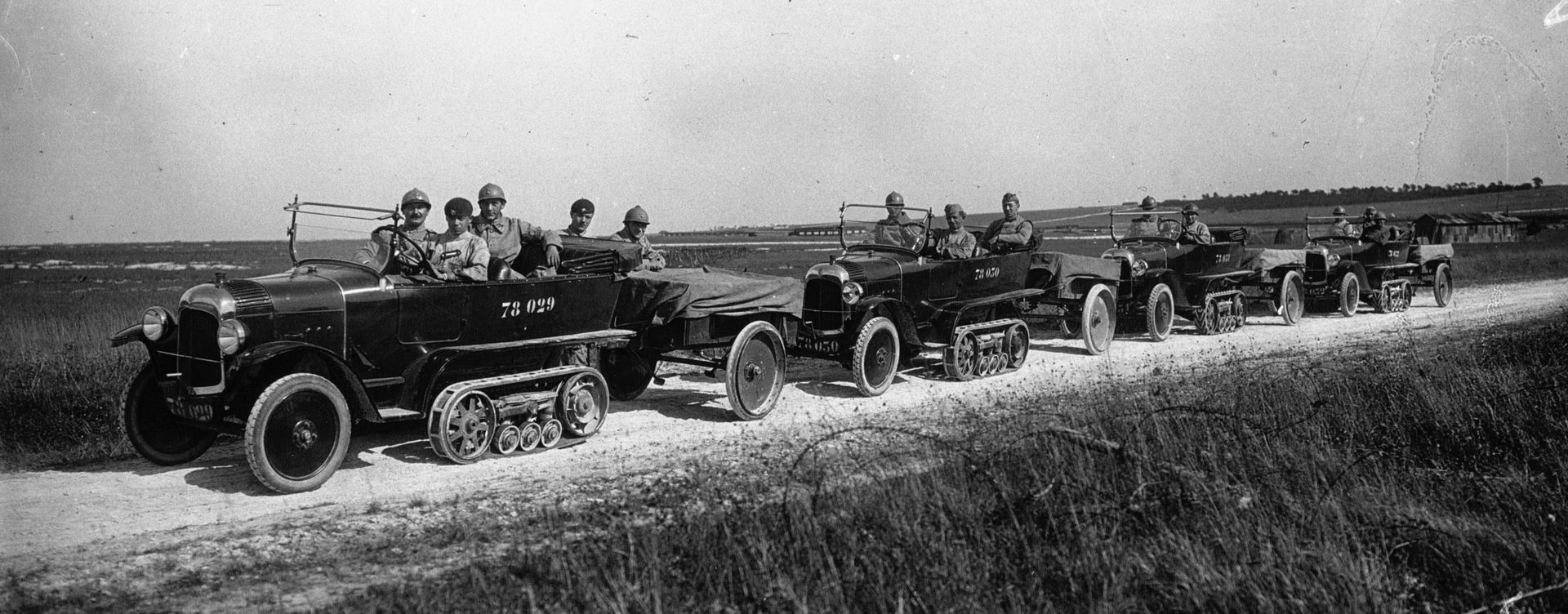
André Citroën supported a series of extraordinary expeditions designed to demonstrate what the autochenille could achieve:
- First Sahara Crossing (1922–1923): a pioneering motorized crossing from Touggourt to Timbuktu using K1 autochenilles.
- Croisière Noire (1924–1925): a journey of around 20,000 km across Africa using P4 T vehicles.
- Croisière Jaune (1931–1932): a major expedition across Asia and the Pamir Mountains using P14, P17, and P21 autochenilles.
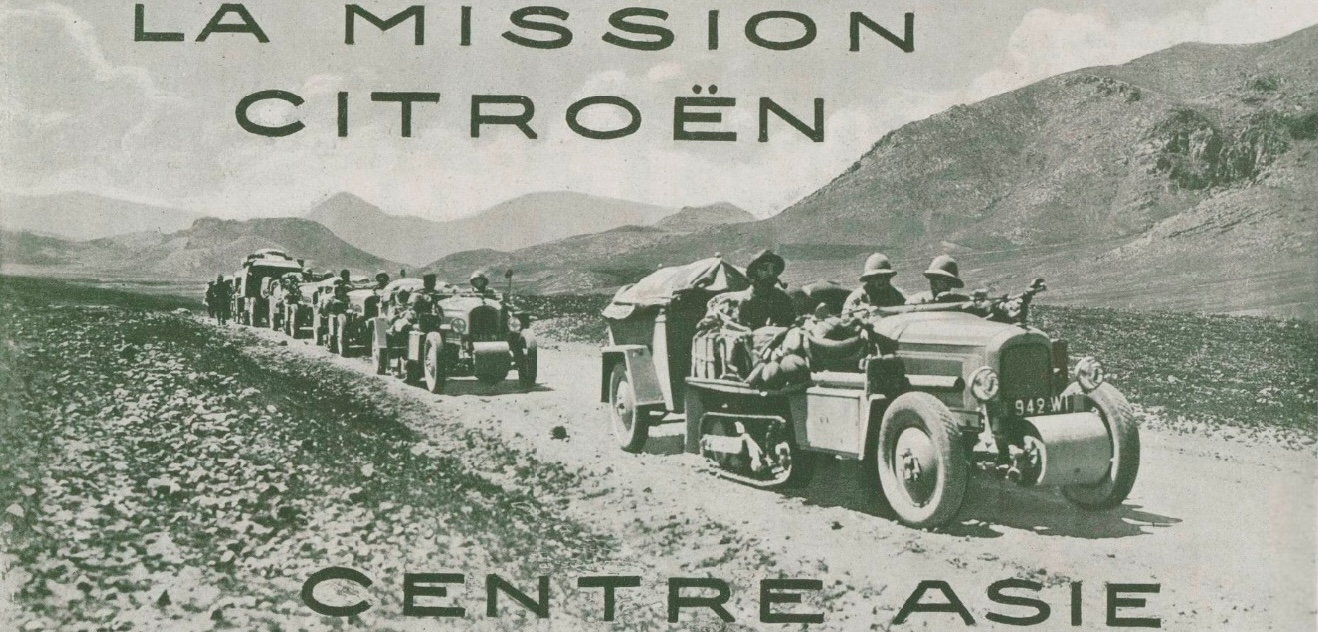
- Croisière Blanche (1934): an expedition through the frozen wilderness of western Canada using P17 D vehicles.
- Arctic and Antarctic missions: Citroën-Kégresse vehicles were also used in polar expeditions, including Admiral Byrd’s Second Antarctic Expedition, where three Citroën-Kégresse snow cars operated alongside other tracked vehicles.
The Kégresse principle had now travelled far beyond Russia and France.
And across the Atlantic, a new chapter was about to begin.
By the 1930s, the Kégresse principle had crossed the Atlantic.
American engineers and manufacturers took a keen interest in the flexible-track concept. In 1932, the American firm James Cunningham, Son & Co. acquired a Kégresse license and developed half-track vehicles based on the principle.
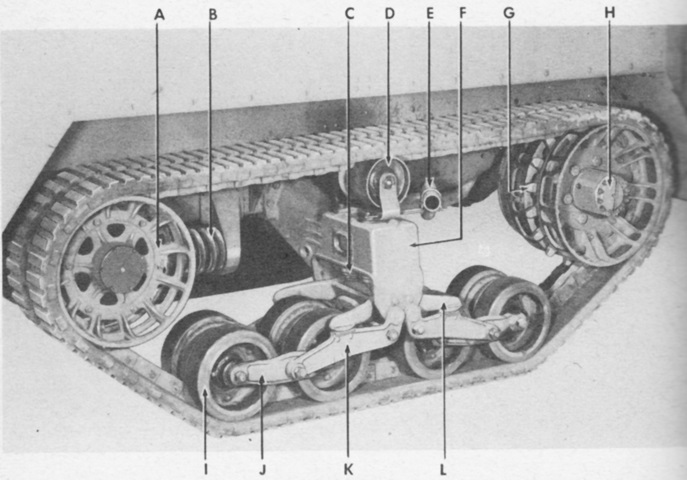
The architecture evolved to meet a new set of requirements. The front wheels remained responsible for steering, while the rear driving wheels were replaced by continuous track units.
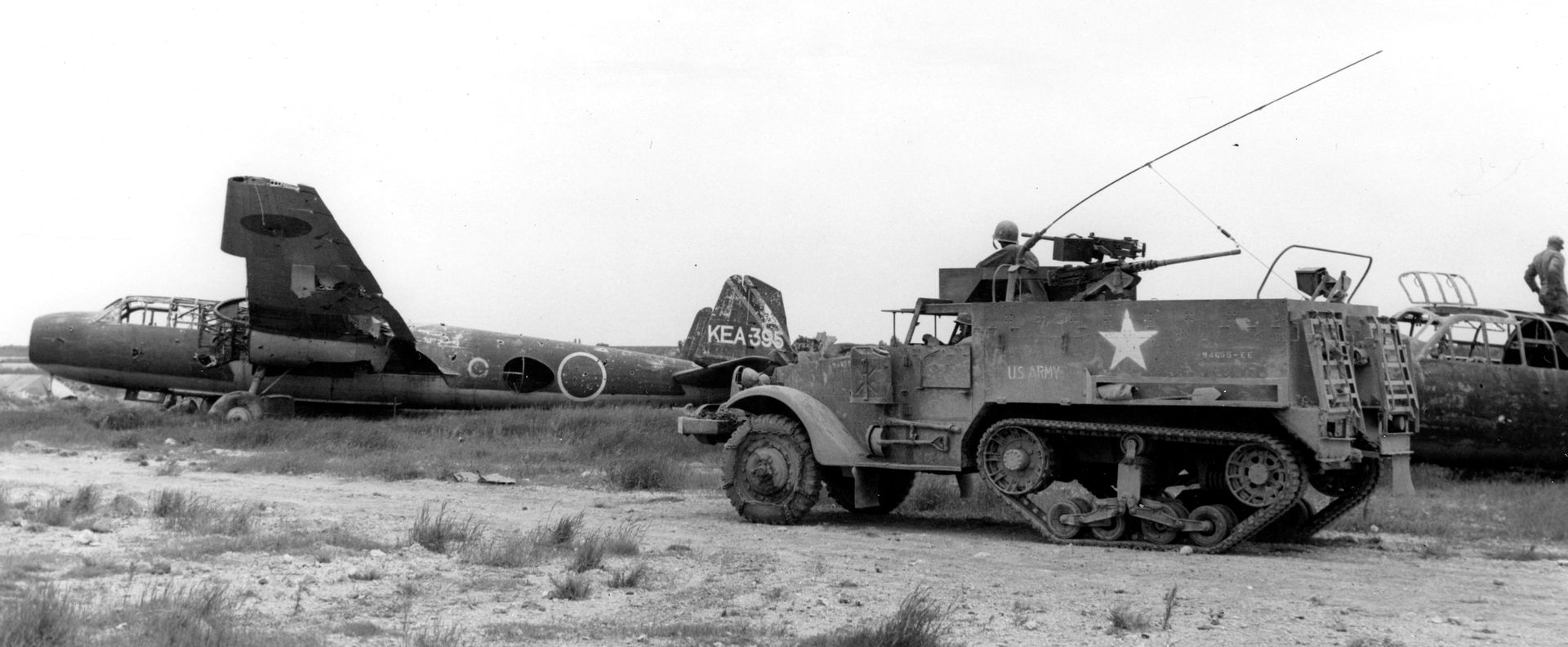
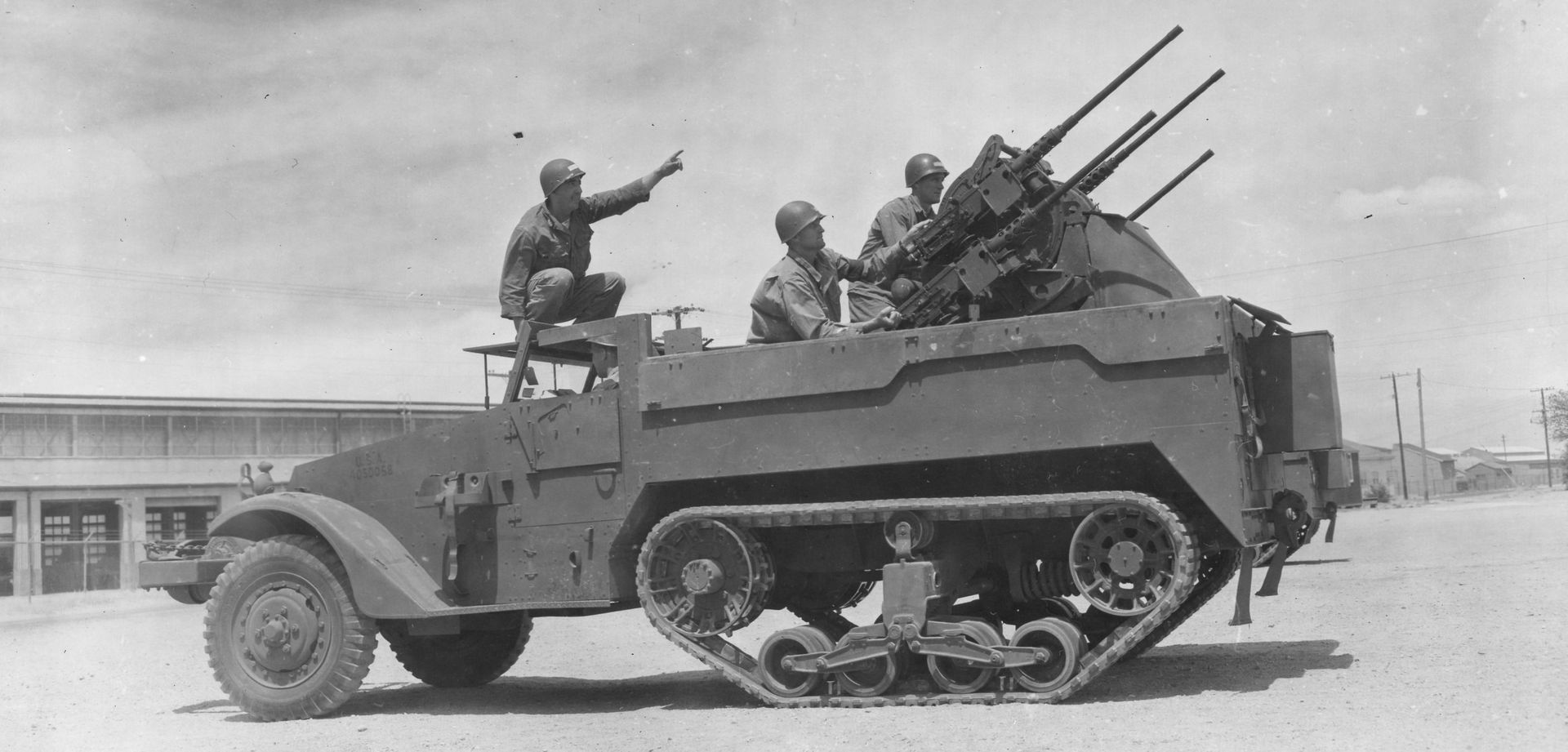
The result was a new generation of vehicle: the American Half-Track.
As the concept entered military service, the vehicles became larger, heavier, and increasingly specialized. During the Second World War, American half-tracks were produced on a vast scale and became an important part of Allied mechanized operations.
The lineage had travelled from the Imperial garages of Russia to France, crossed the Atlantic, and eventually returned to Europe with the Allied forces.
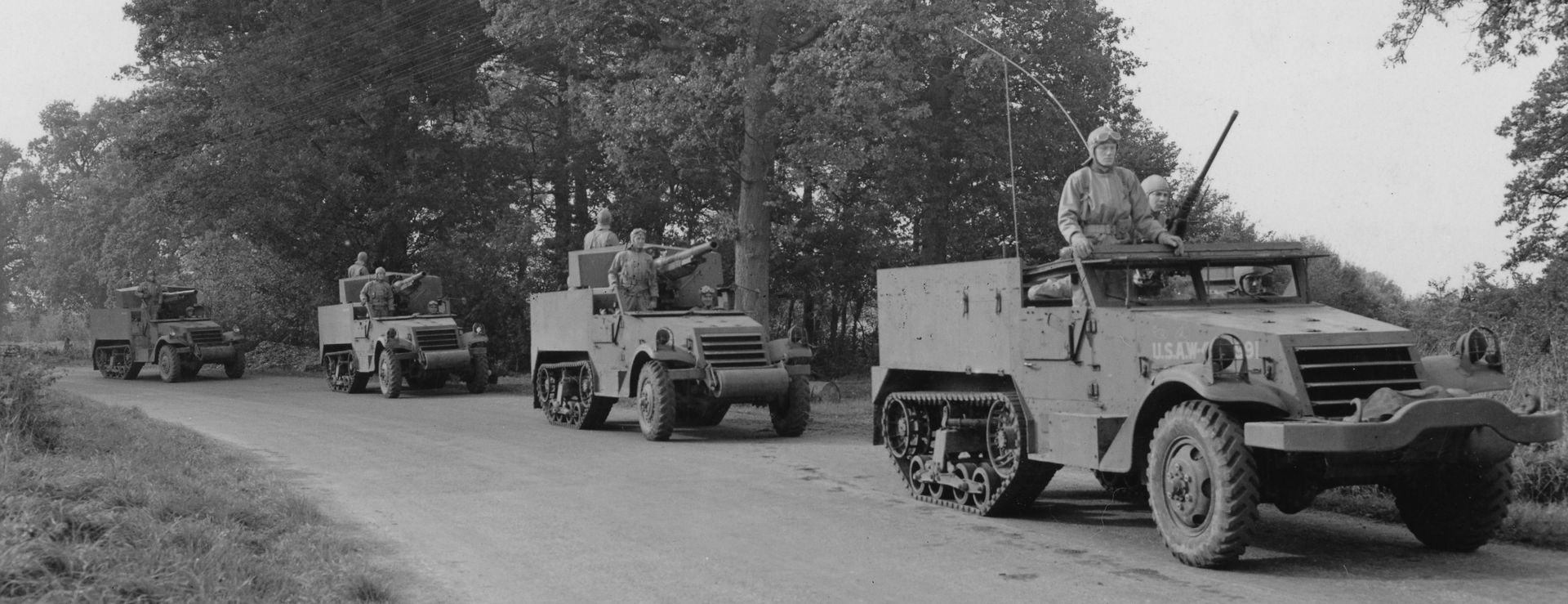
The technology had changed, the vehicles had changed,the applications had changed.
But the fundamental principle remained.
And then came the next logical question: Why stop at two tracks?
The FULL-TRACK SYSTEM by ACFTRACK
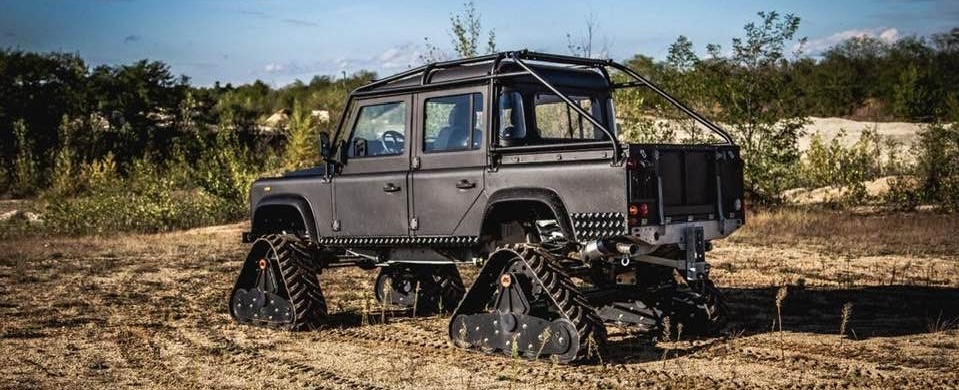
More than a century after Kégresse’s first experiments, the same fundamental philosophy entered a new era.
Modern 4x4 vehicles offer capabilities that early automobiles could never have provided: permanent four-wheel drive, independent suspension systems, power steering, sophisticated braking systems, and highly engineered chassis.
The challenge was no longer simply to replace two rear wheels with tracks.
It was to bring tracked mobility to all four wheels of a modern 4x4, while preserving the vehicle’s original architecture.
This led to the development of ACF Full-Track, based on ACF’s proprietary DVG — Delta Variable Geometry system.
The DVG architecture uses an articulated geometry in which the horizontal bogie can move independently beneath a fixed vertical cantilever. A heavy-duty rubber torsion axle connects the two elements and allows the track geometry to adapt dynamically as the vehicle’s suspension moves.
This arrangement provides two essential functions.
- The cantilever controls the rotation of the track unit and transfers the forces into the vehicle structure.
- The bogie follows the movement of the suspension, allowing the track to articulate beneath the vehicle.
This dynamic geometry makes it possible to integrate four independent rubber-track units within the original wheel arches of modern 4x4 vehicles.
The conversion is designed around the vehicle rather than requiring the vehicle to be redesigned around the tracks.
- No body cutting.
- No chassis welding.
- No lift kit.
- No permanent alteration to the vehicle’s original structure.
- The vehicle remains the vehicle.
- The mobility system adapts.
A century has passed since Adolphe Kégresse’s first propulseur crossed the Russian snow.
From the early semi-chenillé, to the autochenille, to the American half-track, and now to the ACF FULL-TRACK, the vehicles, technologies, and applications have evolved.
But the fundamental idea has remained remarkably constant:
adapt the mobility system to the terrain.
The story that began in Russia continues today.